
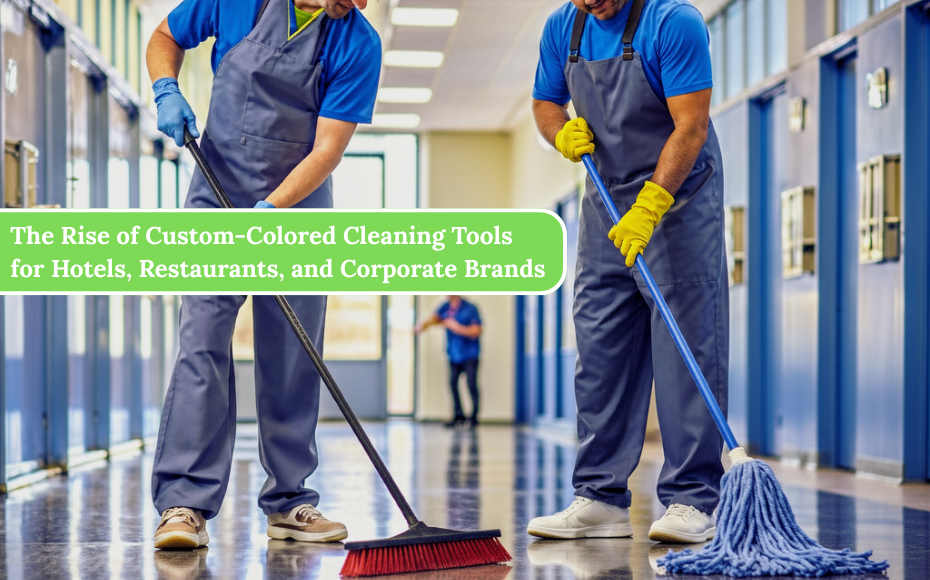
Maintaining hygiene in homes, hospitals, schools, and commercial spaces requires more than random purchases. A structured household cleaning products list ensures safety, efficiency, and long-term cost control.
Modern buyers are prioritizing low-chemical, reusable, and durable cleaning materials that deliver performance without compromising environmental responsibility.
What Is a Household Cleaning Products List?
A household cleaning products list is a structured inventory of essential cleaning tools and materials required to maintain hygiene in homes and institutions. It typically includes floor cleaning tools, surface cleaning materials, kitchen and bathroom cleaning products, and reusable systems designed for long-term use.
This list helps:
-
Standardize cleaning processes
-
Reduce unnecessary purchases
-
Improve hygiene compliance
-
Optimize cost efficiency
Complete Household Cleaning Products List for Homes & Institutions
Here is a categorized summary:
Floor Cleaning Essentials
-
Cleaning mop (microfiber, flat mop, refillable systems)
-
Bucket with wringer
-
Soft & hard bristle brooms
-
Low-chemical floor cleaners
Surface Cleaning Materials
-
Microfiber cleaning cloths
-
Multi-surface spray bottles
-
Scrub pads
-
Cleaning brushes
Kitchen Cleaning Products
-
Dishwashing brushes
-
Bottle cleaning brushes
-
Degreasing-compatible scrubbers
-
Refillable spray systems
Bathroom Cleaning Tools
-
Toilet cleaning brushes
-
Tile & grout scrubbers
-
Long-handle ergonomic tools
-
Disinfectant-compatible materials
Disposable vs Reusable Cleaning Materials (Buyer Comparison)
| Factor | Disposable Products | Reusable / Refillable Products |
|---|---|---|
| Lifespan | Short-term | Long-lasting |
| Waste Generation | High | Low |
| Cost Efficiency | Higher long-term cost | Lower lifetime cost |
| Environmental Impact | Negative | Sustainable |
| Institutional Suitability | Limited | High |
Global markets are shifting toward refillable zero-waste cleaning tools due to cost control and ESG alignment.
Global Demand Trends in Household Cleaning Products
The cleaning industry has transitioned from low-durability products to long-lasting household cleaning items.
Key demand drivers:
-
Post-pandemic hygiene awareness
-
Chemical exposure reduction
-
Sustainability compliance
-
Operational efficiency
-
Labor strain reduction
Buyers are evaluating cleaning materials based on lifespan, compatibility, and ergonomic design.
Regional Market Insights: Usage Patterns by Geography
USA: Performance & Compliance-Driven Market
In the United States, buyers expect:
-
Durable house cleaning products
-
Compatibility with modern spray systems
-
Ergonomic cleaning tools
-
Reusable microfiber systems
-
Compliance-ready cleaning materials
Commercial cleaning tools USA demand is strongly B2B-driven.
Europe: Sustainability-Led Cleaning Choices
European consumers prioritize:
-
Reusable household cleaning items
-
Reduced plastic dependency
-
Material transparency
-
Longer product life cycles
Cleaning products are often aligned with eco-conscious lifestyle expectations.
India: High-Frequency Usage & Value Focus
India represents a high-volume cleaning market with:
-
Multi-purpose cleaning tools
-
Cost-effective durable materials
-
Strong demand for cleaning products manufacturer India
-
High repeat usage environments
Durability and affordability remain key purchase factors.
Africa: Durability & Adaptability
Many African markets focus on:
-
Strong material resistance
-
Rough surface compatibility
-
Long product life
-
Low-maintenance design
Durability reduces replacement frequency and overall cost.
What Defines High-Quality Cleaning Materials?
Regardless of geography, high-performing cleaning products share:
-
Strong material construction for repeated washing
-
Surface compatibility (tiles, wood, stone, concrete)
-
Chemical resistance
-
Ergonomic handling
-
Refill compatibility
High-quality materials reduce waste, improve hygiene, and lower long-term costs.
Why Buyers Are Rethinking Traditional Cleaning Products
Poor-quality cleaning tools often cause:
-
Faster wear and tear
-
Increased replacement cost
-
Higher plastic waste
-
Reduced cleaning efficiency
As a result, global buyers are moving toward biodegradable mop & broom materials and microfiber cleaning cloths designed for repeated use.
Institutional & B2B Cleaning Requirements
Commercial buyers, distributors, and importers prioritize:
-
Heavy-duty mops supplier India
-
Cleaning brushes manufacturer India
-
Brooms manufacturer India
-
Private label cleaning tools
-
Custom-colored cleaning tools
-
Export-ready commercial cleaning tools USA
Institutional procurement focuses on durability, compliance, and scalable supply chains.
Compliance, Safety & Everyday Performance Standards
Well-designed household cleaning products must:
-
Remain safe for daily use
-
Work effectively with modern cleaning liquids
-
Reduce physical strain
-
Maintain hygiene standards consistently
Compliance and safety are now global purchasing benchmarks.
Frequently Asked Questions
What are the most essential household cleaning products?
The most essential household cleaning products include a cleaning mop, brooms, microfiber cleaning cloths, cleaning brushes, surface cleaners, and bathroom cleaning tools.
Why are reusable cleaning tools better than disposable ones?
Reusable cleaning tools reduce long-term costs, minimize waste, improve durability, and align with sustainability goals.
What should institutions look for in cleaning materials?
Institutions should prioritize durability, ergonomic design, chemical compatibility, compliance standards, and bulk supply capability.
Are low-chemical cleaning products effective?
Yes. Low-chemical cleaning products combined with high-quality microfiber systems can deliver effective cleaning while reducing health and environmental risks.
What is the benefit of private label cleaning tools?
Private label cleaning tools allow distributors and retailers to build brand identity while sourcing from established cleaning products manufacturers.
“A sustainable home starts with everyday choices — even the tools you clean with.”
Eco Home Living
Conclusion: The Future of Household Cleaning Products
The global market for household cleaning products continues to evolve toward:
- Durability
- Sustainability
- Low-chemical compatibility
- Reusable systems
- Institutional-grade performance
A strategic household cleaning products list ensures long-term value and sustainable cleaning performance.
Whether for homes or large facilities, buyers are seeking structured cleaning products lists that prioritize long-term value over short-term cost savings.
As demand grows across the USA, Europe, India, and emerging markets, one trend remains constant:
Consumers and institutions are choosing house cleaning products that last longer, perform better, and reduce environmental impact.

